Assessing structural corrosion beneath undercoating and splash shields
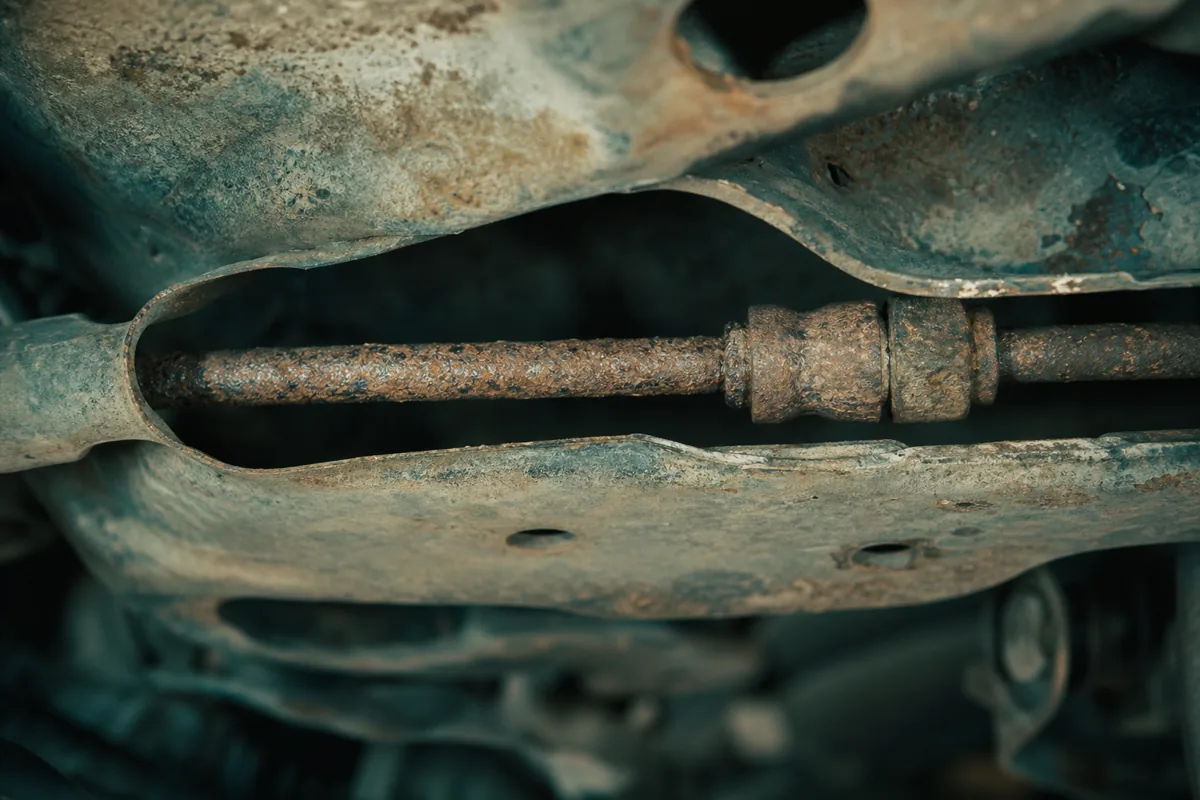
Surface rust on visible panels tells only part of the story. Load-bearing frame zones under factory coatings can lose thickness for years before anything shows at the wheel arch lip.

Why surface appearance misleads
Factory undercoating and rubberized coatings were applied to reduce noise and resist stone impact — not necessarily to allow future inspection. Over time, coatings can trap moisture against the steel if the underlying surface was not perfectly prepared or if the coating cracked from flexing. The outer layer looks intact while oxidation continues underneath.
Splash shields compound the problem by blocking airflow and holding wet debris against rocker panels, subframe mounts, and rear crossmembers. A vehicle that presents well at the fender lip may have critically thinned metal at the jack point or suspension pickup — areas that carry load during every turn and bump.
High-priority load-bearing zones
Our structural assessment protocol focuses on regions where thinning metal affects safety and repair cost:
- Front and rear subframe mounting points and crush-can interfaces
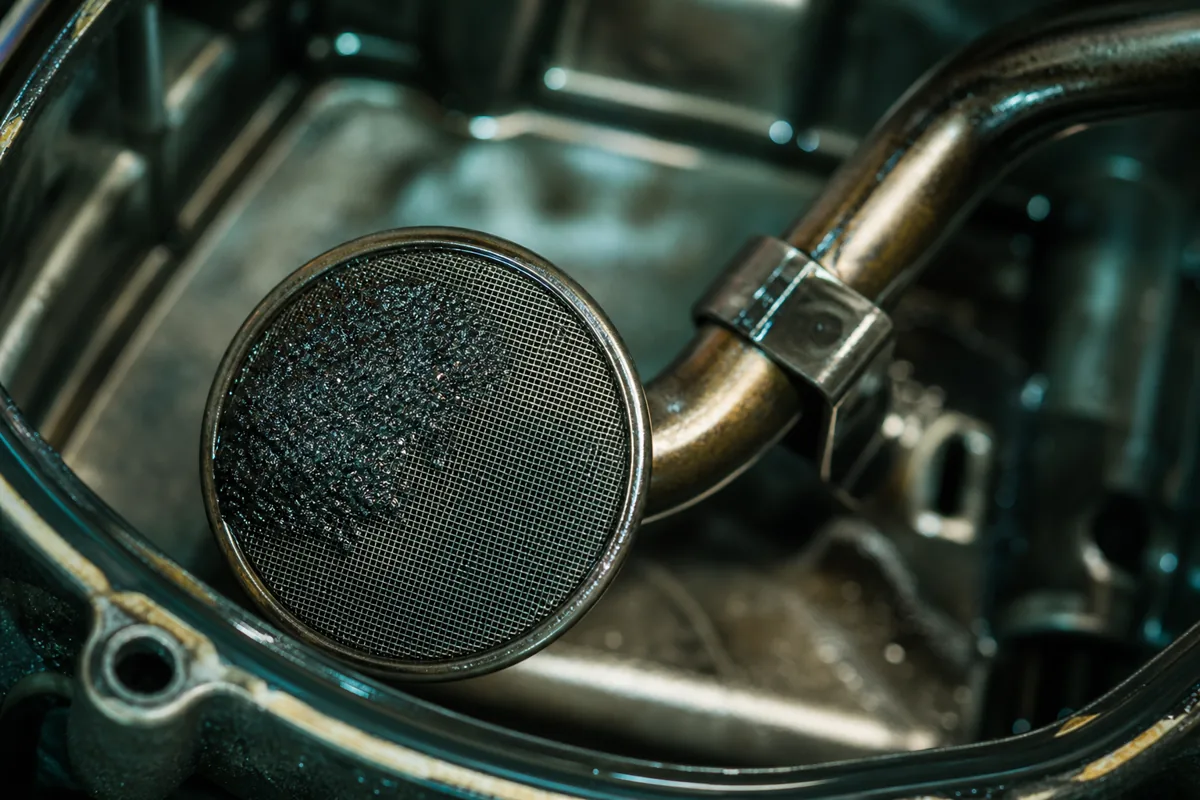
- Center crossmember sections behind the engine sump
- Rear frame horns and hitch mounting plates on trucks and SUVs
- Rocker panel inner reinforcements behind pinch welds
- Leaf spring or control arm brackets on heavy-duty platforms
Each zone is photographed before and after shield removal. Photos are referenced to ultrasonic thickness readings so owners see both the visual context and the measured data — not a single opinion based on a mirror glance.
Ultrasonic thickness mapping
A handheld ultrasonic gauge measures remaining wall thickness through paint and light surface rust without destructive sampling. We take readings on a grid pattern across each suspect section and compare results to factory specification sheets or known baseline thickness for the platform.
Mapping reveals patterns that spot checks miss: a localized thin pocket at a weld seam, gradual tapering along a horizontal rail, or symmetric loss on both sides indicating chronic salt exposure rather than a one-time impact dent.
Readings below structural repair thresholds trigger a written report with recommended next steps — monitoring, localized reinforcement, section replacement, or referral for body structural repair when load paths are compromised. The report becomes part of the owner decision record, especially on vehicles being sold or restored.
Evaluating undercoating without guessing
Not all undercoating failure means the frame is unsound. Sometimes the coating delaminated while the steel beneath remains thick. Selective removal at test points — not wholesale stripping — determines which case you have. Aggressive media blasting before measurement destroys evidence and can accelerate rust if the vehicle is not immediately recoated.
We document coating adhesion, blistering, and whether moisture weeps when a test section is opened. That guides whether cosmetic recoating is sufficient or whether metal loss requires mechanical repair first. Re-coating over compromised steel hides the problem for the next owner — we do not recommend it when thickness readings fail spec.
Pacific Northwest moisture retention
Portland-area vehicles see long wet seasons and frequent road brine or salt application in mountain passes. Combined with mild temperatures that keep surfaces damp, corrosion proceeds steadily rather than in dramatic bursts. Vehicles garaged wet or driven on gravel forest roads accumulate packed mud at shield edges that holds moisture against steel for weeks.
Mileage alone is a poor predictor of frame condition here. A low-mileage truck stored outdoors may show worse thickness loss than a high-mileage highway car with clean underbody habits. Inspection frequency should follow environment and usage, not odometer totals.
What the photo-documented report includes
- Shield removal log with timestamp and vehicle orientation markers
- Wide and close-up photos of each assessed zone with scale reference
- Ultrasonic thickness grid table compared to specification thresholds
- Coating condition notes and moisture evidence where present
- Priority-ranked findings: monitor, repair soon, or address before continued use
- Plain-language summary for owners who are not reading gauge numbers daily
Structural corrosion assessment is not a quick wash-bay glance. It is a deliberate process that requires access, measurement, and documentation. That is the only way to know what lives under the coatings before load-bearing metal makes the decision for you.