Troubleshooting transfer case actuators when the fault will not repeat
Intermittent four-wheel-drive engagement failures frustrate owners and technicians alike. The actuator may test fine on the bench while the real problem hides in routing, connectors, or moisture trapped against the motor housing.
Why intermittent actuator faults escape scan tools
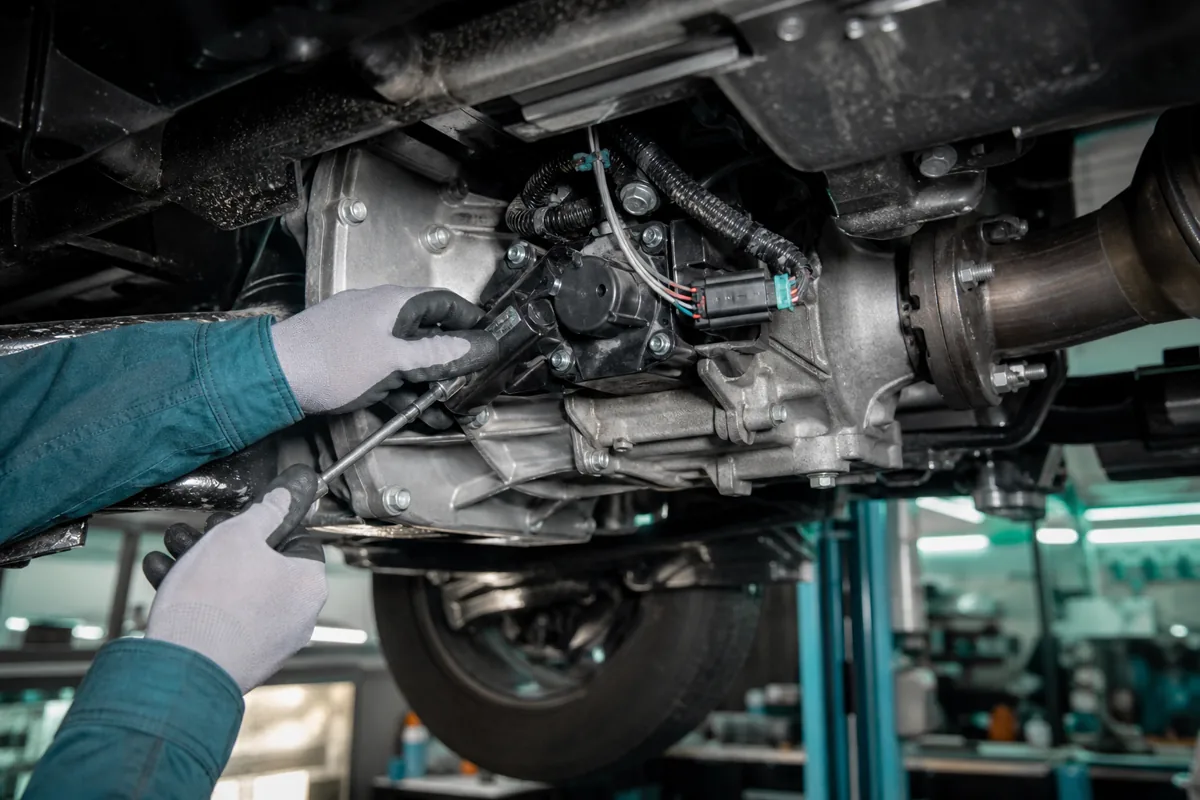
Electric shift actuators move a selector fork inside the transfer case when the driver selects four-wheel drive or low range. The module expects a position feedback signal within a defined window. When the motor binds, the harness drops voltage, or a connector passes intermittent ground, the shift may fail without setting a stored code — because the fault cleared before the module logged it.
Generic code readers rarely capture pending or history codes on transfer case modules. A no-code complaint requires a different approach: document conditions, inspect concealed routing, and test under load while monitoring live data rather than waiting for a failure to repeat on its own.
Harness routing and chafe points
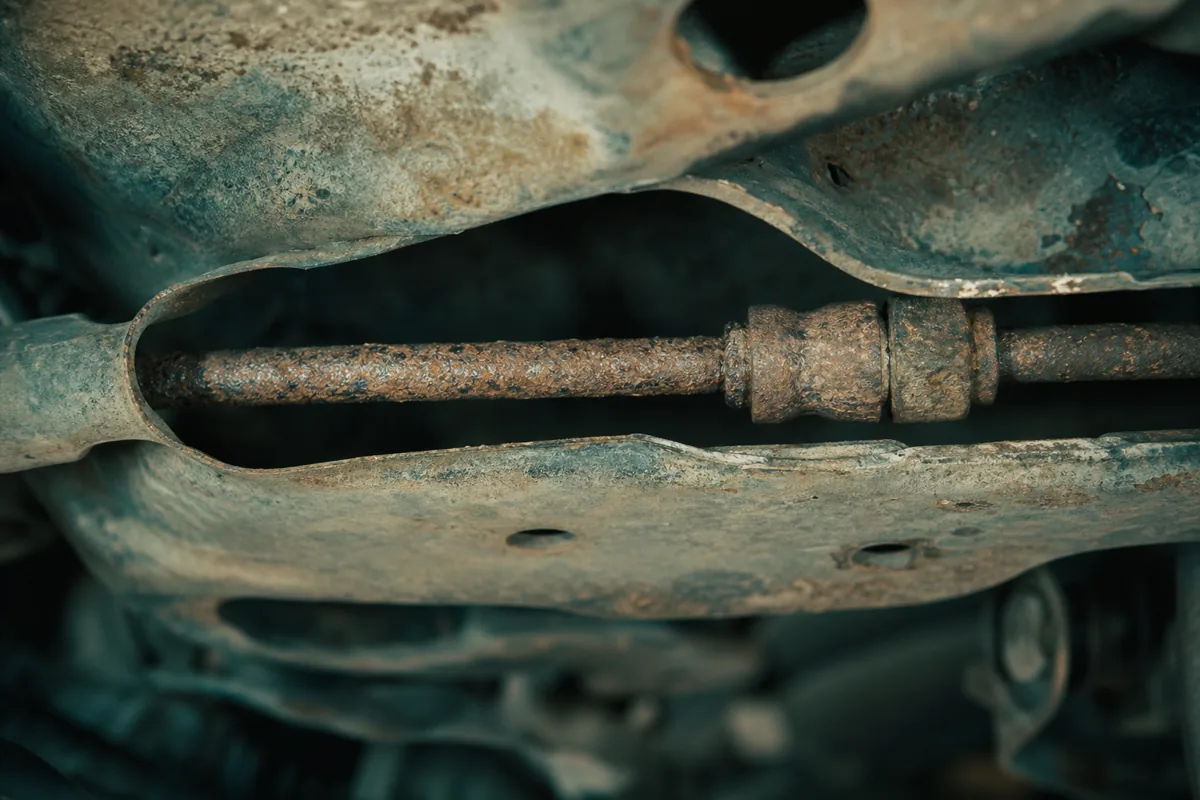
Transfer case wiring often runs along the frame rail, passes through body grommets, and terminates at the actuator on the case rear housing. Over years of vibration, the harness can rub against sharp bracket edges or sag until it contacts the exhaust heat shield. Insulation damage may expose conductors that short only when the vehicle flexes over bumps or when the transfer case temperature changes.
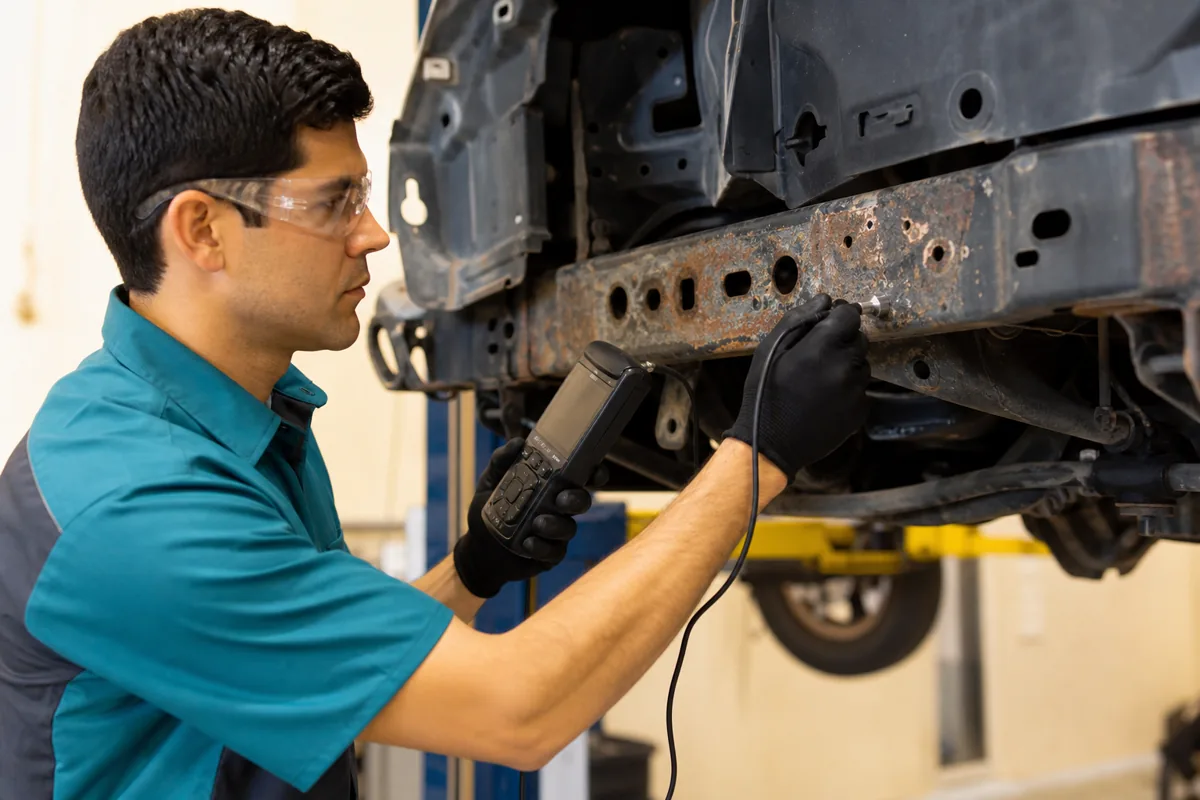
Our underbody inspection protocol includes lifting the vehicle, removing splash shields when necessary, and photographing harness path from connector to actuator. We look for:
- Zip-tie compression that has cut into wire insulation
- Green corrosion at the actuator connector seal
- Previous repair splices located in a wet or hot zone
- Harness tension that pulls the connector when the engine mounts flex
Repair quality matters as much as diagnosis. Relocated harness sections need proper loom, standoff clips, and heat shielding — not just electrical tape wrapped around a frame rail.
Position sensor verification under real conditions
The position sensor tells the control module whether the actuator reached the commanded range. A sensor that reads correctly at rest may drift when hot or when return spring tension weakens. Compare requested position against actual feedback while cycling four-wheel drive ten to fifteen times after a highway drive, not just at cold idle in the bay.
Oscilloscope or graphing scan tool views help distinguish slow motor response from erratic sensor output. If the motor draws high amperage while position lag increases, internal gear wear or binding in the transfer case may be loading the actuator — replacing the motor alone will not fix a mechanical bind.
Concealed moisture and vent path blockages
Actuator motors are not fully sealed. Water from pressure washing, deep puddles, or a leaking vent tube can enter the housing and corrode the commutator. Because the case sits above the exhaust and behind shielding, evaporation is slow. The motor works when dry and stalls when humid — classic intermittent behavior with no code.
Check the transfer case vent hose for kinks, missing caps, or routing that dips below the case before rising to the body clip. A blocked vent can also pressurize the case and push fluid past seals, compounding the moisture problem. Photo documentation of vent routing is part of every hidden-zone transfer case assessment at our workshop.
A repeatable diagnostic sequence
- Interview the owner for temperature, speed, and terrain conditions when the fault occurred
- Scan all relevant modules for pending, current, and history codes — not just the engine ECU
- Inspect harness and connectors along the full path with shields removed
- Measure supply voltage and ground drop at the actuator connector during commanded shifts
- Cycle four-wheel drive repeatedly after a heat soak test and log position feedback
- Recommend actuator, harness repair, or internal transfer case inspection based on documented evidence
Skipping the underbody visual inspection and replacing the actuator first is the most common reason these complaints return. Access and routing are where the non-repeating faults live.